
Pilot Training FAQ

If you prefer, you can download this info as a PDF.
Click here.

Q: How do I earn a private pilot certificate?

A: You must meet and complete a series of requirements mandated by the FAA to earn Private Pilot Certification, including:

  • Basic Qualifications – You must be at least 17 years of age, meet certain medical standards, and be able to fluently speak, read, and write in English. Note: Although a student pilot must be 16 before flying solo (Student Pilot Certificate), and 17 to be fully certified, it is not uncommon for students begin flying lessons as early as 14 years of age.
  • Knowledge Requirements – You must pass a written examination that demonstrates your fundamental understanding of aviation-related topics such as meteorology, airspace, navigation, and aircraft systems.
  • "In-Air" Training Requirements – You must complete a minimum of 40 hours combined of dual (flights with an instructor) and solo flying time sessions. These sessions must encompass a variety of flying skills and conditions such as night, navigation, and instrument training.
  • Proficiency Requirements – You must demonstrate safe and proficient skill in performing a number of basic flying maneuvers (everything from takeoff and landings to cross-country flying).  The FAA requires you to pass a comprehensive practical test before awarding you a private pilot certificate.

Q: Am I too old to be certified?

A: No! There is nothing in FAA regulations concerning maximum allowable age to be a private pilot. In fact, as long as you are in good general health, advancing years have little to do with a person's ability to fly safely.

A pilot's license does not expire based on age. While commercial airline operations do require pilots to retire at a certain point, even those pilots can continue flying in other private or busines operations long past their "airline" retirement age.

Q: Will I need a medical examination?

A: Yes. Although you don't need one to start lessons, you will require a basic medical examination before you can solo. A medical exam must be performed by an FAA designated physician, and is required every two to three years for active pilots. It is a routine examination and is designed to ensure that the applicant has no physical or medical problems that would interfere with his/her ability to safely fly an airplane.

In order to solo, a person must obtain the medical exam and a student pilot certificate. You can find your nearest aviation medical examiner at FAA Medical Examiners.

Q: How long will it take to earn my private pilot certificate?

A: While Government regulations are very specific about minimum requirements to receive a private pilot's certificate (40 hours minimum "in-air" flight training time), the average US student logs 65-75 flight hours before taking their flight test with an FAA designated examiner. The typical student schedule is to fly once or twice per week for about 1.5 hours per lesson, and so it usually takes about 6-12 months to fully complete the training.

While the student's aptitude and weather can certainly impact the training timetable, the greatest factor is the frequency of the lessons. For example, if you take 2-3 lessons per week, you will typically require fewer total flight hours than a student who only flies once per month. We have had students earn their private pilot certificate in less than 90 days, while others have taken as long as 12-18 months.

It's all up to you - and your schedule.

Q: When can I fly solo?

A: Your certified flight instructor (CFI) will carefully monitor your progress and, once you are both comfortable with your performance, the CFI will clear you to begin "solo" flights under his/her supervision. During solo flights you will fly the aircraft without anyone else on board - not even the instructor. Your first solo typically includes three take-offs and landings, and generally occurs within the first 25 hours of training.

Q: What is involved in training for the private pilot certificate?

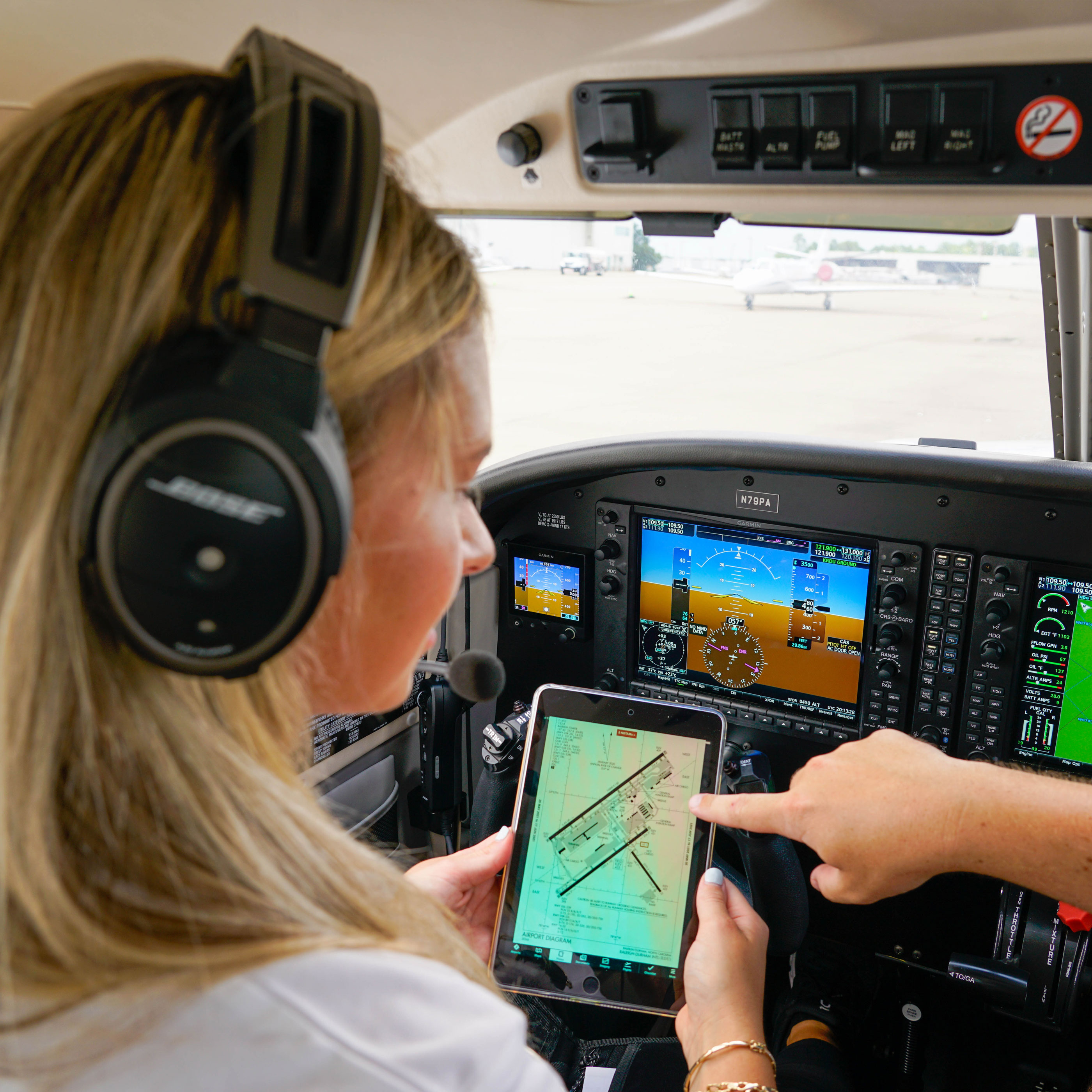
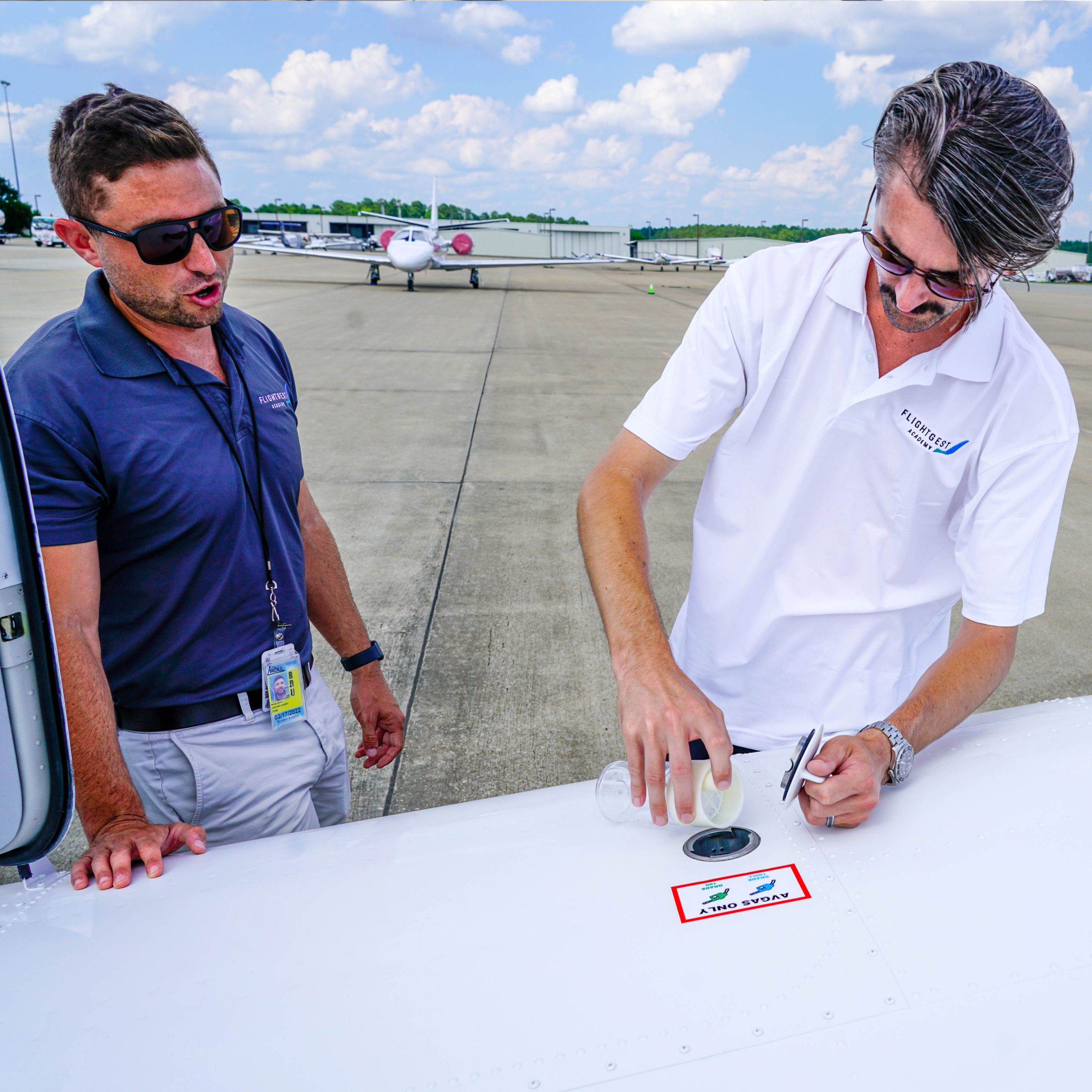
A: FlightGest will assign an FAA Certified Flight Instructor to assist you in completing the various requirements necessary to earn your Private Pilot certificate.  Our staff uses convenient online video-based training that helps you complete the necessary ground training towards your certificate.  This blend of video-based training plus individualized flight instructor training provides an organized and efficient way for you to acquire the knowledge and skills needed to be a safe and proficient pilot.

Q: Why Cessna and Piper Aircraft?

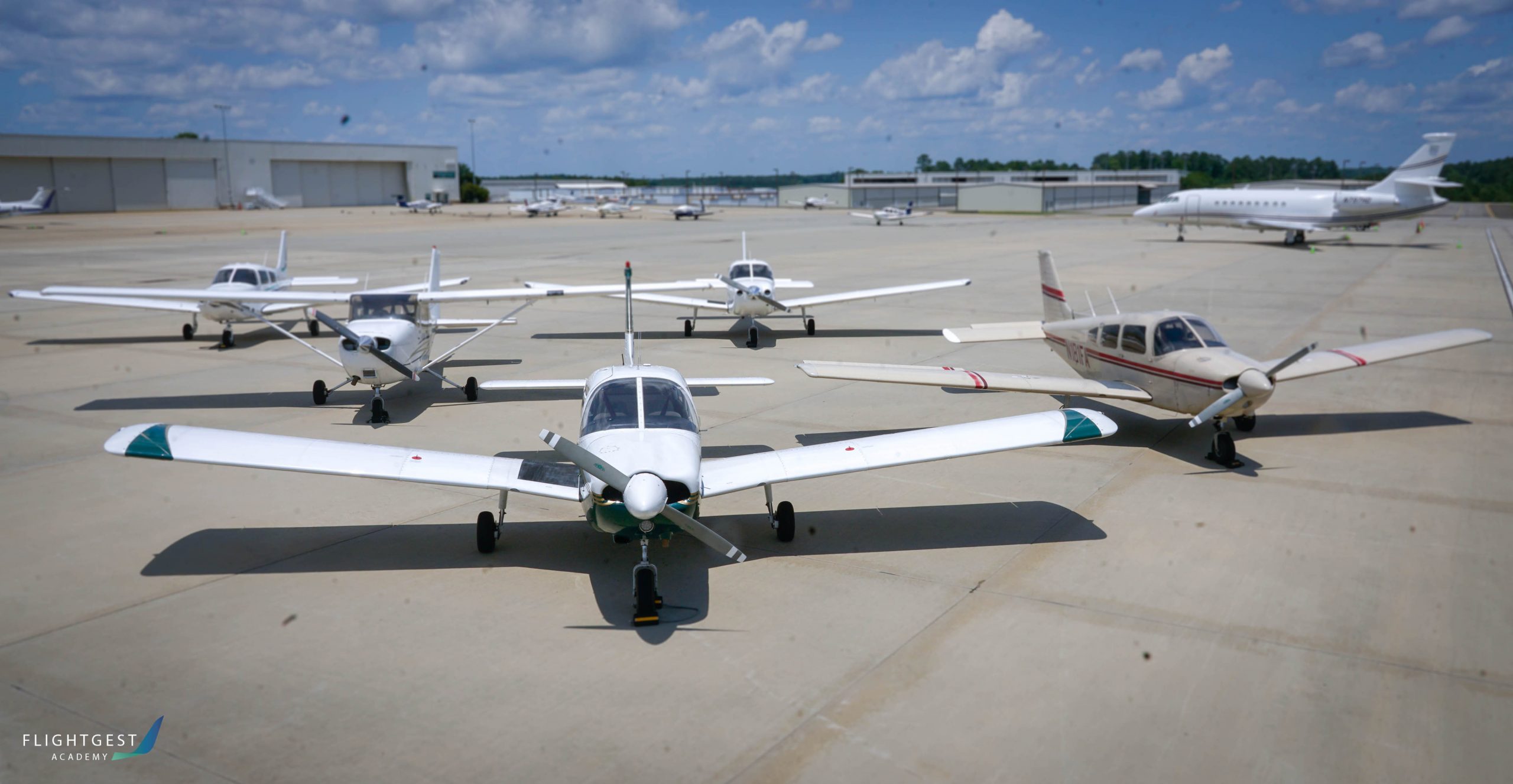
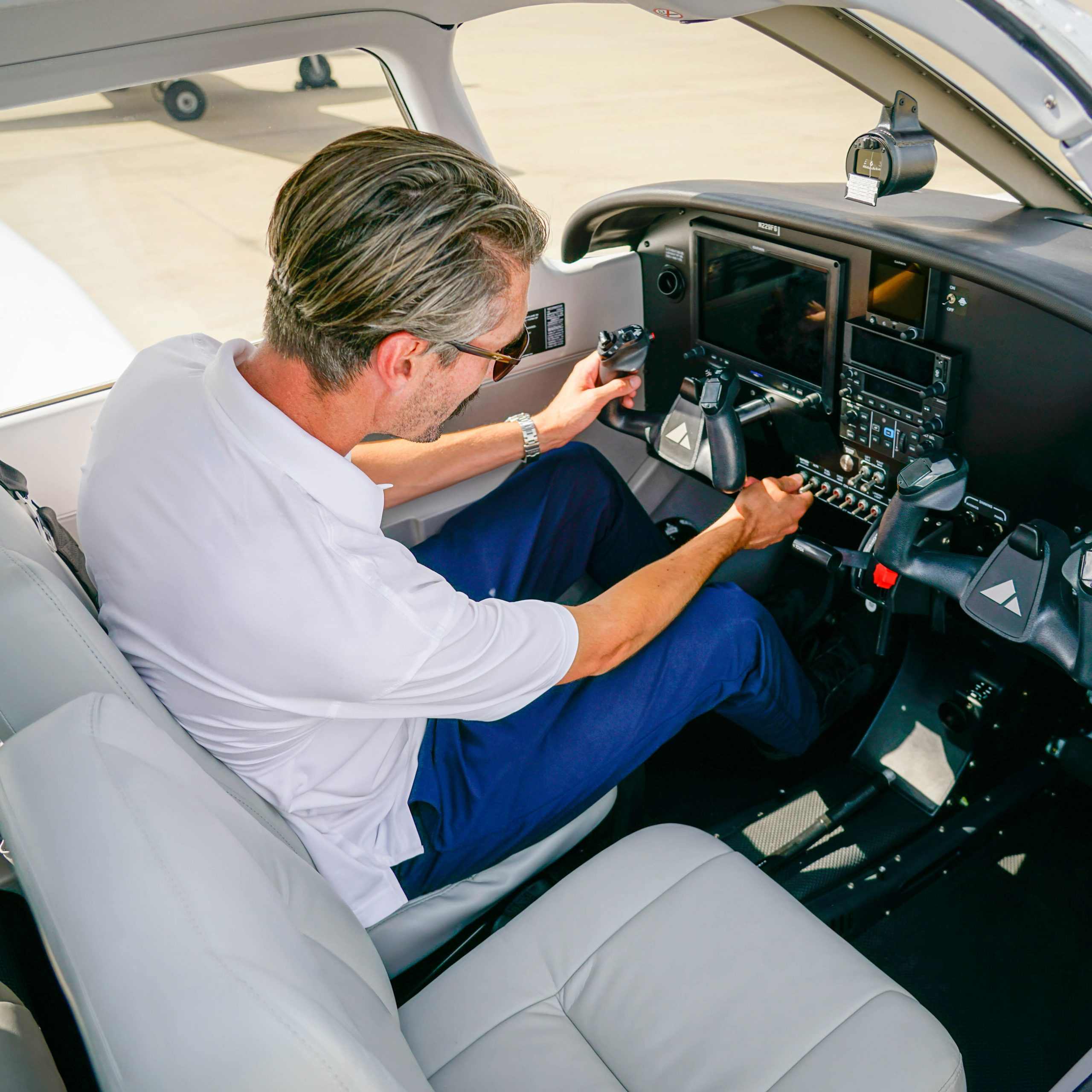
A: Cessna and Piper have been the industry leaders in general aviation for decades. Our training fleet includes state-of-the-art Cessna 172 aircraft, featuring the latest technological advances in avionics and equipment, including GPS with moving map, autopilot and the "Glass Cockpit" which rivals features found in most commercial aircraft. We also have a well-equipped Piper Arrow II for commercial pilot and flight instructor training.

So at FlightGest, you will learn how to fly technically advanced aircraft from day one.

Q: Why FlightGest?

A: There are a number of reasons to select FlightGest for your flight training:

  • We are proud of our team of highly professional, enthusiastic, (and downright friendly) FAA certified flight instructors. Our flexible training staff allows us to handle your unique work and family schedule, including weekdays, nights, and weekends.
  • Due to the strength of our staff, aircraft and operations, FlightGest continues to be selected by the FAA, TSA and even NASA to conduct specialized research and training for various government programs and staff.
  • A fully automated online system for scheduling and tracking your flight training. Students can access the flightgesttraining.com website 24 hours a day to schedule their instructors and aircraft. The system also provides useful online tools for planning flights.
  • Cessna 172 and Piper Arrow aircraft, featuring the latest technological advances including G1000 avionics.
  • FlightGest is located at Raleigh-Durham (RDU) airport, a quick drive from anywhere in the Research Triangle Park area (Raleigh-Durham-Chapel Hill) area. In addition, our particular location at the airport uniquely gives students the combined benefits of a small airport plus the vital experience of working with air traffic control (ATC). Our students have the unique skills of operating at any airport, large or small.

  • A full-service pilot shop, carrying all of your flying needs, located onsite.

Q: What can I do after I earn my private pilot's certificate?

A: Once you pass the practical exam for the private pilot certificate, you are an official pilot! You may now carry passengers (and share plane rental expenses with them) and fly anywhere in the United States, as long as the weather is good enough for visual flight conditions.

Q: HOW DO I GET STARTED?

A: Schedule Your First Lesson! Click Here to request access to our online scheduling system, or just call us at 919.840.4444 and we'll schedule your first lesson over the phone.

© 2010 Flightgest, Inc. All Rights reserved.